
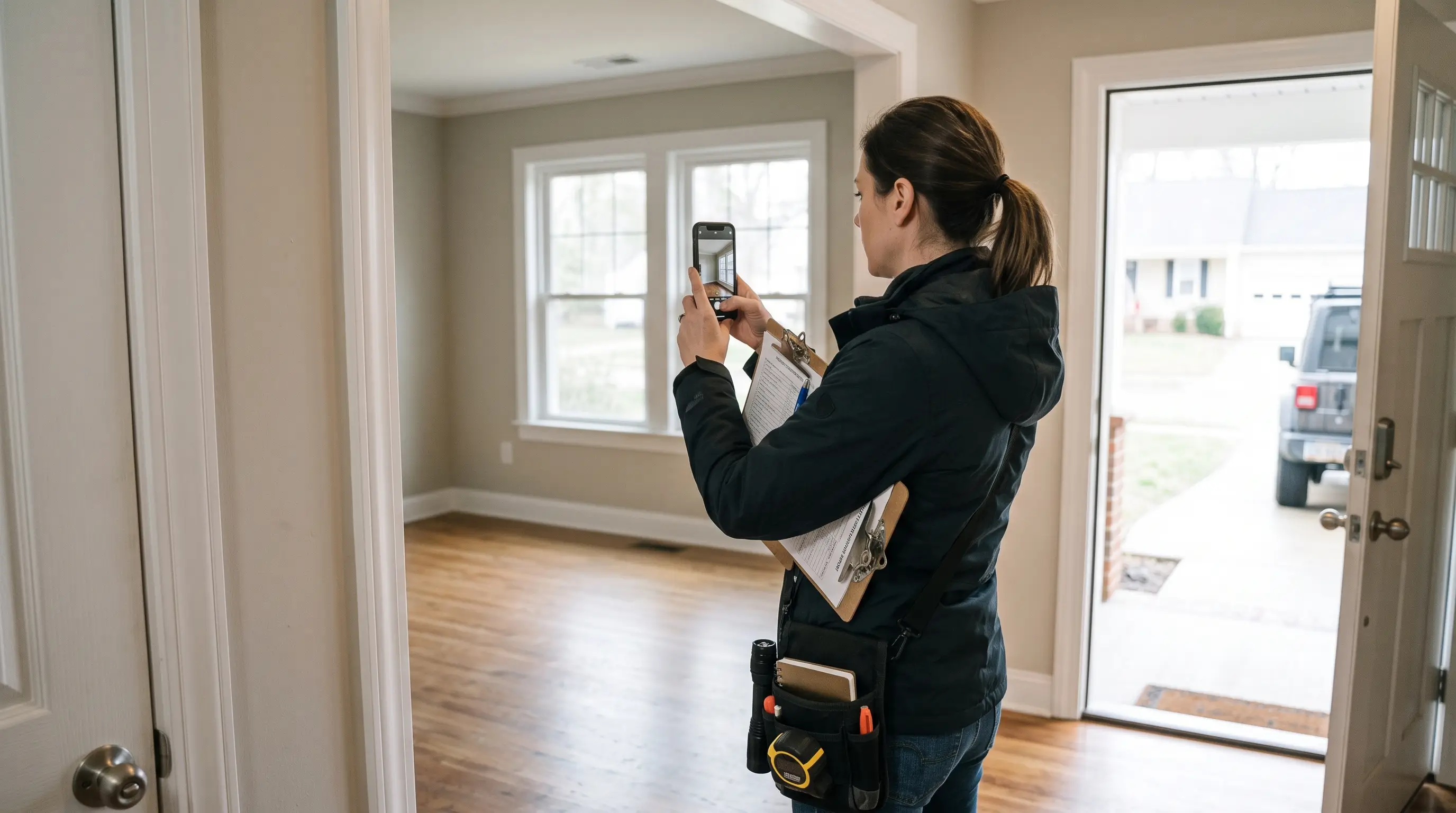
Disputes over security deposits, damage claims, and unit condition are among the most common headaches rental property owners face. Without clear evidence of a property's condition at move-in and move-out, these disagreements can drag on for weeks and sometimes end up in small claims court. Photo and video documentation solves this problem before it even starts, giving owners and tenants a shared, objective record of exactly what a unit looked like at every stage of the lease.
For property owners in Burlington, NC, building a habit of thorough condition reports is not just good practice; it is one of the simplest ways to protect an investment. This blog explains why photo and video documentation matters, what a proper condition report should include, and how it fits into a larger property management strategy.
Key Takeaways
Photo and video documentation creates an objective record that protects owners during security deposit disputes.
Detailed condition reports at move-in and move-out reduce the risk of costly, drawn-out disagreements with tenants.
Consistent documentation practices support accurate maintenance tracking and financial recordkeeping over time.
A property management team helps standardize the documentation process across every unit and every turnover.
Why Documentation Matters More Than Memory
Relying on memory or a brief written note is rarely enough when a dispute arises. Tenants and owners often remember the same unit very differently, especially months or years after move-in. A scratched floor, a stained carpet, or a broken cabinet hinge can become a serious point of contention if no clear record shows whether the damage existed before the tenant moved in.
Photos and videos remove the guesswork. Timestamped images and walkthrough videos create a factual, visual account that holds up far better than a verbal disagreement. In a rental market like Burlington, where turnover happens regularly across single-family homes and multi-unit properties alike, consistent record-keeping is essential to protect both the property and the owner's bottom line.
What a Proper Condition Report Should Include
A thorough condition report goes beyond a handful of snapshots. It should capture the property's full condition in a way that leaves little room for interpretation.
Move-In Documentation
Before a tenant receives their keys, photograph every room and, ideally, record it on video. This includes walls, floors, ceilings, appliances, fixtures, and any existing wear or damage. Close-up shots of problem areas, such as scuffed baseboards or worn countertops, add an extra layer of protection.
Move-Out Documentation
Repeat the same process when a tenant moves out, using the same angles and rooms whenever possible. Side-by-side comparisons between move-in and move-out images make it much easier to identify what changed during the tenancy and whether that change falls under normal wear and tear or tenant-caused damage.
Ongoing Maintenance Records
Documentation should not stop at move-in and move-out. Photos taken during routine inspections or after repair work help build a timeline of the property's condition throughout the lease. This is especially useful if a dispute arises mid-tenancy or if an owner needs to justify a maintenance expense later on.
How Documentation Protects Owners Financially
Security deposit disputes are not just frustrating; they can also be expensive. Without solid evidence, an owner may be forced to return a deposit in full even when real damage occurred, or risk a legal challenge if a tenant contests a withheld amount. Clear photo and video records give owners the leverage needed to make fair, defensible deductions when damage goes beyond normal wear and tear.
This kind of documentation also supports smarter long-term planning. When owners track damage patterns over time, they can spot recurring issues, such as a unit that consistently needs new flooring or a property that requires more frequent repairs than others in the portfolio. Working with a dependable property maintenance provider makes it easier to act quickly on these patterns, scheduling repairs before small issues turn into larger, more expensive problems.
Documentation and Your Financial Records
Photo and video reports are useful for resolving disputes and also support an owner's broader financial picture. Repair costs, deposit deductions, and maintenance expenses tied to specific documented incidents are much easier to justify and track when a clear paper trail supports them.
This is especially valuable at tax time or when reviewing a property's profitability. Pairing condition reports with organized rental accounting services gives owners a complete picture of where their money goes and why, making it much easier to separate normal operating costs from damage-related expenses when reviewing annual returns.
The Role of a Property Management Team
Consistency is the hardest part of documentation to maintain on your own, especially for owners managing several properties or handling turnovers remotely. A property management team brings a standardized process to every unit, using the same checklist, level of detail, and storage system for every move-in and move-out.
This consistency matters because a documentation process that varies from property to property is much weaker when it actually needs to hold up in a dispute. A management team also knows what local landlord-tenant laws require for notice, timelines, and deposit deductions, reducing the risk of a documentation gap turning into a legal problem.
FAQs
How many photos should be taken during a move-in inspection?
There is no strict number, but you should cover every room, major appliance, and existing damage point, often resulting in twenty to fifty photos depending on the size of the unit.
Should video walkthroughs replace photos entirely?
No, video and photos work best together. Video captures the overall flow and condition of a space, while photos allow for detailed close-ups of specific areas.
How long should condition report documentation be kept?
Best practice is to keep this documentation for the length of the tenancy plus a reasonable period afterward, since disputes can sometimes arise after a lease ends.
Can tenants request copies of the move-in documentation?
Yes, and providing this transparently often builds trust and reduces the likelihood of a dispute later on.
Protect Your Burlington Rental with RB Legacy's Documentation Standards
Strong photo and video documentation is one of the simplest ways to protect a rental property from disputes, unexpected costs, and unclear expectations. Rather than leaving this critical step to chance, owners benefit from a team that treats documentation as a standard part of every turnover, not an afterthought.
RB Legacy builds thorough condition reports into every move-in and move-out, giving Burlington property owners the peace of mind that comes with clear, reliable records. Reach out to RB Legacy today to see how a dedicated property management team keeps your investment protected from day one.