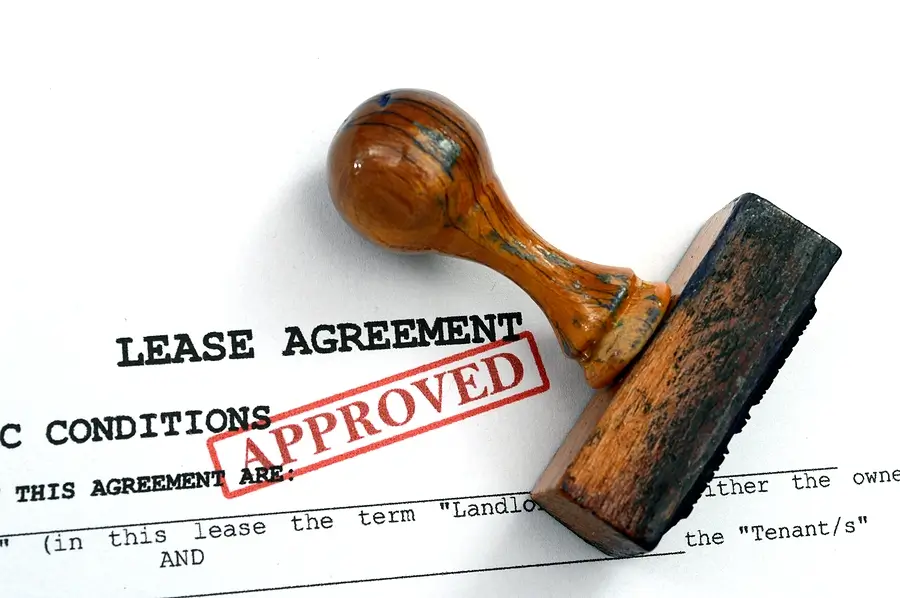
A well-written lease agreement is one of the most important tools a rental property owner in Burlington, NC can have. It establishes expectations, protects the investment, and defines the legal relationship between landlord and tenant. Without a clear and legally compliant lease, property owners expose themselves to disputes, unpaid rent, property damage, and costly legal complications. To reduce unnecessary risks and strengthen a rental business, the lease must be structured properly from the very beginning.
Key Takeaways
Legally compliant leases must align with North Carolina landlord-tenant regulations.
Clear financial terms reduce disputes and protect rental income.
Defined maintenance responsibilities support property condition and tenant satisfaction.
Consistent enforcement of written policies strengthens your legal position.
Why Legal Compliance Matters in Burlington
North Carolina landlord-tenant laws govern how lease agreements must be written and enforced. These laws outline rules regarding security deposits, notice requirements, eviction procedures, habitability standards, and more. A lease that fails to comply with state regulations can weaken your position if a dispute arises.
In Burlington, rental market conditions and local expectations also influence how lease terms are structured. Clear documentation of responsibilities, timelines, and financial obligations protects both parties and reduces confusion. When expectations are spelled out clearly, misunderstandings are less likely to escalate into legal conflicts.
Property owners who attempt to draft leases using outdated templates or generic online forms often overlook important details. Staying current with regulations and market practices ensures your lease remains enforceable and practical.
Essential Components of a Legally Sound Lease
A compliant lease agreement should include several foundational elements. These components create clarity and serve as the framework for enforcing a landlord’s rights and responsibilities under the agreement.
Clear Identification of Parties and Property
The lease must accurately identify the landlord, tenant, and rental property address. This includes listing all adult occupants who will reside in the home. Omitting a resident can complicate enforcement if problems arise later.
Defined Lease Term and Renewal Terms
Specify whether the agreement is a fixed-term lease or a month-to-month arrangement. Clearly outline renewal procedures, notice requirements, and what happens if the lease transitions after the initial term ends.
Rent Amount, Due Date, and Late Fees
State the monthly rent amount, acceptable payment methods, due date, and any applicable late fees. North Carolina law permits late fees under certain conditions, but they must be structured properly within the lease. Detailed financial transparency reduces payment disputes and establishes a clear process for handling difficult accounts. Many property owners benefit from organized financial tracking systems that simplify rent collection and reporting through structured accounting services.
Security Deposits and Legal Limits
North Carolina law places limits on how much a landlord can collect for a security deposit based on lease length. It also dictates how deposits must be held and when they must be returned.
The lease should clearly outline:
The amount collected
Permissible uses of the deposit
Conditions for deductions
Timeline for returning funds
Failure to follow deposit regulations can lead to penalties or legal challenges. Clear documentation helps ensure compliance and protects you if a tenant disputes deductions after move-out.
Maintenance Responsibilities and Habitability Standards
One of the most common sources of landlord-tenant conflict involves property maintenance. The lease must clarify maintenance responsibilities for both parties while aligning with North Carolina habitability standards.
Landlords are legally required to maintain safe and livable conditions. Tenants are responsible for keeping the property clean and reporting issues promptly. Clearly outlining these duties reduces misunderstandings.
Proactive upkeep also plays a major role in compliance. Coordinating timely repairs through professional maintenance coordination helps ensure the property remains in good condition and meets legal standards throughout the lease term.
Rules, Restrictions, and Policy Clarity
Lease agreements should address property-specific rules, such as:
Pet policies
Smoking restrictions
Occupancy limits
Parking regulations
Alteration restrictions
Clearly defined rules provide a legal basis for enforcement if violations occur. Obscure language can weaken a landlord’s position and may result in inconsistent enforcement. Clarity is especially important in areas such as subleasing and short-term rentals. If these activities are not specifically prohibited or regulated in the lease agreement, property owners may face unexpected complications and increased liability.
Handling Lease Violations and Termination
A compliant lease must outline what happens if terms are violated. This includes nonpayment of rent, property damage, illegal activity, or unauthorized occupants.
The lease should specify:
Notice requirements
Cure periods when applicable
Grounds for termination
Legal remedies available
North Carolina eviction laws require precise procedures. If the lease does not align with these requirements, it can delay the removal process and increase financial losses. Avoiding unclear language is key. Consistent enforcement of clearly written terms strengthens the ability to act quickly when necessary.
Avoiding Common Drafting Mistakes
Many landlords unintentionally create vulnerabilities in their lease agreements by using inconsistent wording, missing required disclosures, or including unenforceable clauses. For example, attempting to waive tenant rights that are protected by state law can invalidate portions of the lease. Overlooking mandatory disclosures can also create compliance issues.
Property owners benefit from reviewing frequent drafting errors and ensuring their documents reflect current best practices. Understanding common lease errors helps reduce risk and improve enforceability.
Protecting Your Financial Interests
A strong lease is not just about legal compliance. It also protects the rental income and long-term profitability. Clear rent collection policies, defined late fee structures, and documented tenant obligations create financial stability. Organized financial record keeping further supports the ability to monitor performance and address issues early through professional accounting support. When the lease terms align with consistent financial management practices, it gains greater visibility into your property’s performance.
FAQs
Do lease agreements in Burlington have to follow North Carolina state law?
Yes. All residential lease agreements must comply with North Carolina landlord-tenant statutes, regardless of local market practices.
Can I use a generic online lease template?
Generic templates often lack state-specific language and required disclosures. Using a customized lease that aligns with current regulations reduces risk.
How much security deposit can I charge in North Carolina?
The allowable amount depends on the lease term length. State law sets specific limits that landlords must follow.
Are verbal lease agreements legally binding?
While some verbal agreements may be enforceable, written leases provide stronger legal protection and clarity for both parties.
Should I include maintenance procedures in the lease?
Yes. Clearly outlining how tenants submit repair requests and how maintenance will be handled reduces disputes and supports compliance with habitability laws.
Protect Your Burlington Rental with Expert Lease Support
A properly structured lease agreement is the foundation of a successful rental investment. Without clear, compliant documentation, you risk financial losses, legal disputes, and unnecessary stress.
At RB Legacy PM Inc., we help property owners in Burlington, NC, create legally sound lease agreements and implement systems that protect their investments. If you want confidence that your rental property is backed by strong documentation and professional oversight, contact us and help you safeguard your rental business.